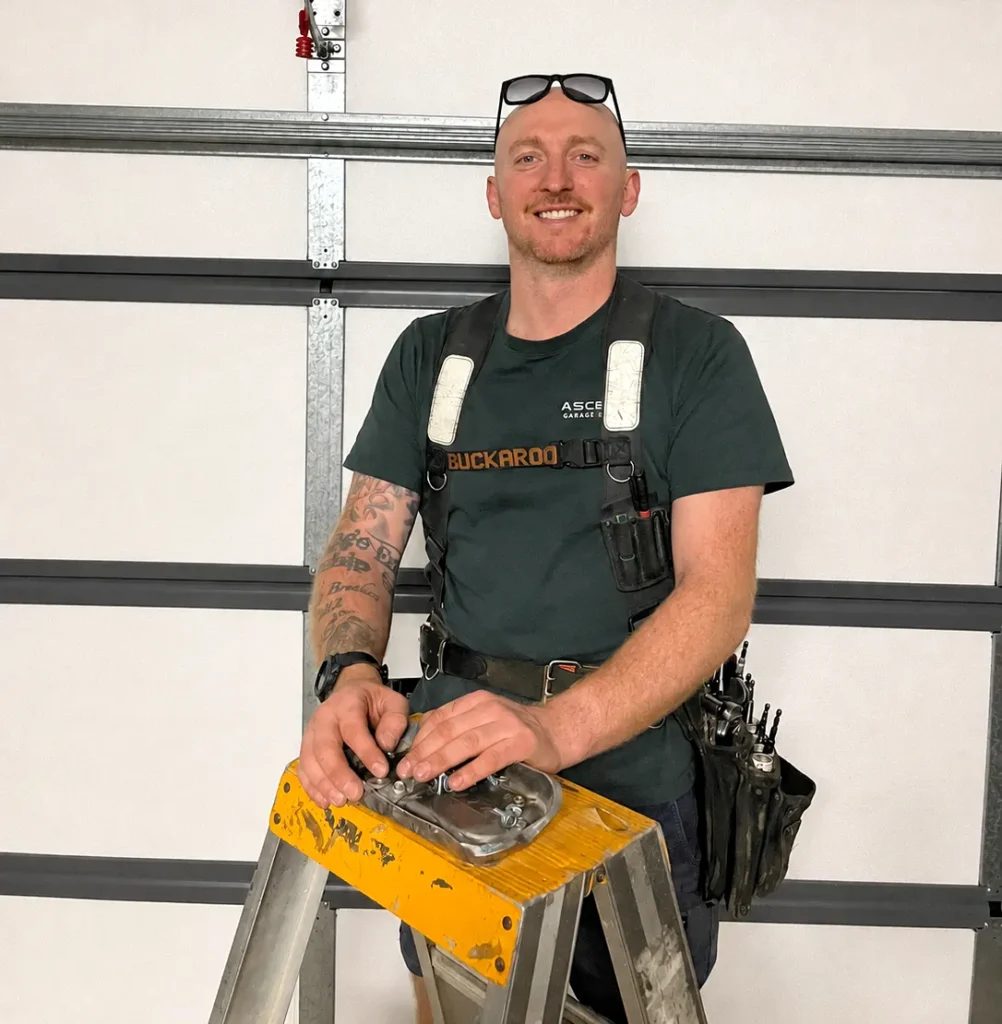
Your garage door is probably the hardest-working part of your home – opening and closing over 1,000 times per year while battling weather, wear, and the occasional bump from a car mirror. With all that use, it’s no surprise that problems occasionally crop up.
The good news? Many garage door issues are predictable, and quite a few can be solved with basic DIY maintenance. Knowing what to look for and when to tackle problems yourself (versus calling professionals) can save you significant money and prevent small issues from becoming major headaches.
This comprehensive guide covers the most common garage door problems Australian homeowners face, practical solutions you can try yourself, and clear guidance on when professional help is essential for safety and effectiveness.
Problem #1: Garage Door Won’t Open or Close
How common: This is the #1 garage door complaint – representing about 40% of all service calls.
Symptoms You’ll Notice
- Door completely unresponsive to remote or wall switch
- Door starts to move then stops immediately
- Motor runs but door doesn’t move
- Door opens but won’t close (or vice versa)
DIY Troubleshooting Steps
Step 1: Check the Obvious
Power supply:
- Ensure the opener is plugged in securely
- Check circuit breakers for tripped switches
- Test outlet with another device
Remote control:
- Replace remote batteries (9V or AA depending on model)
- Try wall-mounted button to isolate remote issues
- Check for LED indicators on remote when pressed
Step 2: Inspect Safety Features
Photo-eye sensors: Small boxes near floor level on both sides of door opening
- Clean sensor lenses with soft cloth
- Check alignment – sensors should face each other directly
- Look for LED lights – should be solid green/red, not blinking
- Remove obstructions like spider webs, leaves, or tools
Manual release cord:
- Check if someone pulled the red emergency release handle
- Re-engage by pulling cord toward motor while door is closed
Step 3: Visual Track Inspection
- Look for obstructions in tracks (stones, debris, ice)
- Check for bent track sections that could bind the door
- Inspect rollers for damage or debris buildup
When to Call Professionals
- Broken springs: Visible gaps in spring coils or door extremely heavy to lift manually
- Motor issues: Motor runs but doesn’t engage door mechanism
- Electrical problems: No power to unit despite breaker being on
- Track damage: Bent or severely misaligned tracks
Professional service cost: $120-250 for diagnosis and minor adjustments, $300-800 for major component replacement.
Problem #2: Loud or Unusual Noises
How common: Second most reported issue, affecting nearly every garage door over 5 years old.
Noise Diagnosis Guide
Squealing or Screeching
Cause: Dry hinges, rollers, or pivot points
DIY solution: Apply garage door lubricant (white lithium grease or 3-in-1 oil)
Frequency: Every 3-4 months in coastal areas like Geelong
Grinding or Scraping
Cause: Worn rollers, misaligned tracks, or debris in tracks
DIY solution: Clean tracks thoroughly, check for bent sections
Professional help needed if: Grinding continues after cleaning
Rattling or Vibrating
Cause: Loose bolts, nuts, or mounting hardware
DIY solution: Tighten all visible nuts and bolts with appropriate tools
Check especially: Track brackets, hinge bolts, motor mounting
Banging or Crashing
Cause: Broken springs, loose cables, or track problems
Safety warning: Stop using door immediately – call professionals
Risk: Door could fall suddenly
Lubrication Best Practices
What to lubricate:
- All hinges (3-5 drops each)
- Roller bearings (not plastic wheels)
- Track pivot points
- Spring mounting points
- Chain or screw drive (light coating)
What NOT to lubricate:
- Plastic rollers
- Track rails (creates dirt buildup)
- Photo-eye sensors
Recommended products:
- White lithium grease for heavy-use points
- 3-in-1 oil for light applications
- Marine-grade lubricants for coastal areas
Australian cost: $15-25 for quality lubricants, $120-180 for professional lubrication service.
Problem #3: Door Opens/Closes Unevenly or Jerky Movement
How common: Affects about 25% of doors over 10 years old.
Symptoms to Watch For
- One side of door moves faster than the other
- Door stutters or hesitates during operation
- Visible gaps between door and frame when closed
- Door appears crooked or tilted
DIY Assessment
Manual Balance Test
- Disconnect opener: Pull red emergency release cord
- Lift door manually: Should move smoothly with moderate effort
- Test at halfway point: Door should stay in place when released
- Check weight: Should feel balanced, not wanting to fall or rise
If door fails balance test: Spring tension problems require professional adjustment.
Track Inspection
- Check for parallel alignment: Tracks should be same distance apart top and bottom
- Look for debris: Clean out dirt, leaves, or obstructions
- Inspect mounting brackets: Ensure all bolts are tight
- Check for dents: Small dents can often be hammered out gently
Roller Examination
- Metal rollers: Should spin freely without wobbling
- Plastic rollers: Check for cracks or flat spots
- Bearing condition: Should be smooth, not grinding
Professional Solutions
Track realignment: $200-400 depending on complexity Spring adjustment: $180-350 for professional service Roller replacement: $150-300 for full set installed Complete track replacement: $400-800 per side
Problem #4: Remote Control or Wall Switch Issues
How common: Very common, especially during battery changes or power outages.
Remote Control Problems
Basic Troubleshooting
Battery replacement:
- Use quality alkaline batteries (not cheap zinc)
- Check correct polarity (+ and – alignment)
- Clean battery contacts if corroded
Range testing:
- Test from various distances
- Note if problem occurs only at maximum range
- Check for interference sources (LED lights, Wi-Fi)
Multiple remote testing:
- If other remotes work, problem is specific remote
- If no remotes work, issue is with motor receiver
Programming Steps (Generic Process)
- Locate learn button on motor unit (colour varies by brand)
- Press and release learn button (light should turn on)
- Press and hold remote button until motor light turns off
- Test operation to confirm programming
Note: Specific steps vary by manufacturer. Check your manual for exact procedure.
Wall Switch Issues
- Check wire connections at switch and motor
- Test switch continuity with multimeter if available
- Look for damage to wire along garage ceiling
Advanced Problems
Rolling code interference: Modern openers use encrypted signals Frequency conflicts: Neighbours’ openers on same frequency Motor receiver failure: Internal electronics malfunction
Professional diagnosis cost: $100-150, Receiver replacement: $200-400.
Problem #5: Door Reverses Before Fully Closing
How common: Frequent issue, especially in dusty or coastal environments.
Why Doors Reverse Unexpectedly
Your garage door is designed to reverse when it encounters an obstruction – this is a crucial safety feature. However, when it reverses without any actual obstruction, there’s usually a problem with the safety systems.
Primary Causes and Solutions
Photo-Eye Sensor Issues
Cause: Misaligned, dirty, or faulty safety sensors
Location: Small boxes mounted 6 inches above ground on each side of door
DIY solution: Clean sensor lenses with soft cloth, check alignment
Test method: Wave object between sensors – door should reverse immediately
Sensitivity Settings Too High
Cause: Motor programmed to reverse with minimal resistance
Symptoms: Door reverses when encountering slight resistance or wind
DIY adjustment: Some units have sensitivity dials you can adjust
Professional setting: Often requires motor reprogramming
Track or Hardware Issues
Cause: Binding in tracks causing resistance
Check for: Debris in tracks, bent track sections, worn rollers
DIY solution: Clean tracks, lubricate moving parts
Professional help needed: If tracks require realignment
Safety Testing Protocol
- Place 2×4 block flat under center of door opening
- Close door using remote – should reverse when hitting block
- Remove block and test normal closing operation
- If door still reverses: Check sensors and track alignment
Professional adjustment cost: $120-200 for sensor realignment, $180-350 for motor programming.
Problem #6: Door Opens or Closes Too Slowly
How common: Often develops gradually, affecting about 20% of doors over 8 years old.
Speed-Related Issues
Gradual Slowdown
Primary cause: Lack of lubrication creating friction
Secondary cause: Worn components requiring more power
Seasonal factor: Cold weather can slow operation temporarily
DIY solution: Comprehensive lubrication of all moving parts
Sudden Speed Change
Cause: Motor speed settings changed or motor problems
Check first: Circuit breaker hasn’t partially tripped
Professional diagnosis: May require motor replacement or adjustment
Cost: $150-300 for speed adjustment, $600-1,200 for motor replacement
Lubrication Schedule for Optimal Speed
Monthly (high-use doors):
- Quick visual inspection for obvious issues
Quarterly (coastal areas):
- Lubricate all hinges and pivot points
- Check and clean tracks
- Test safety features
Bi-annually (inland areas):
- Comprehensive lubrication service
- Hardware tightening check
- Professional inspection recommended
Problem #7: Weather Damage and Wear
How common: Universal issue in Australian coastal climates, especially Geelong’s variable conditions.
Salt Air Corrosion
Affected components: All metal parts, especially springs and hinges
Prevention: Regular washing with fresh water
Protection: Marine-grade lubricants and protective coatings
Replacement timeline: Springs may need replacement every 5-7 years in coastal areas
UV Damage
Visible signs: Fading paint, brittle weather seals, plastic degradation
Prevention: Quality UV-resistant finishes, regular inspection
DIY maintenance: Touch-up painting, weather seal replacement
Professional solution: Complete refinishing or door replacement
Temperature Extremes
Summer effects: Metal expansion, seal deterioration, motor overheating
Winter effects: Metal contraction, increased stiffness, condensation
Mitigation: Proper insulation, ventilation, seasonal adjustments
Weather Protection Strategies
Preventive Measures
Regular washing: Monthly rinse-down to remove salt and debris
Protective treatments: Annual application of protective wax or sealant
Drainage management: Ensure water flows away from door base
Ventilation: Adequate airflow to prevent moisture buildup
Weather Seal Maintenance
Bottom seal: Check for cracks, gaps, or compression loss
Side seals: Ensure proper contact with door frame
Top seal: Often overlooked but critical for weather protection
Replacement cost: $100-250 for professional weather seal replacement
For comprehensive information about protecting your garage door from extreme weather, see our detailed guide on how extreme weather affects your garage door.
Problem #8: Broken or Worn Springs
How common: Eventually affects all garage doors – springs typically last 7-12 years depending on usage.
Spring Types and Symptoms
Torsion Springs (Most Common)
Location: Mounted horizontally above the door opening
Failure signs: Visible gap in spring coils, door extremely heavy to lift
Safety warning: Under extreme tension – never attempt DIY repair
Professional replacement: $250-450 per spring including labour
Extension Springs
Location: Mounted on sides, parallel to tracks
Failure signs: Broken spring sections, uneven door operation
Safety note: Also dangerous due to tension and stored energy
Professional service: $200-350 per spring pair
Emergency Response for Broken Springs
- Do not operate the door – could cause injury or further damage
- Disconnect automatic opener to prevent motor damage
- Secure the door if partially open using C-clamps on tracks
- Call professional service immediately – this is not a DIY repair
Spring Maintenance
Professional inspection: Annual check of spring condition
Lubrication: Light coating of recommended lubricant
Balance testing: Should be done by qualified technicians only
Replacement timing: Proactive replacement when showing wear signs
Problem #9: Garage Door Off Track
How common: Less frequent but potentially dangerous – about 5% of major repairs.
How Doors Come Off Track
Impact damage: Vehicle contact, falling objects
Hardware failure: Worn rollers, loose brackets
Track problems: Bent sections, poor installation
Obstruction events: Large objects blocking door travel
Safety Warning: Do Not DIY
Immediate risks:
- Door could fall suddenly causing injury
- Track damage could worsen rapidly
- Springs under tension create additional hazards
Professional-only repair: $400-800 depending on damage extent
Prevention Strategies
Regular inspection: Monthly visual check of track alignment
Obstacle management: Keep garage area clear of stored items
Gentle operation: Don’t force door if it meets resistance
Professional maintenance: Annual service to catch problems early
Problem #10: Motor/Opener Malfunctions
How common: Opener problems represent about 30% of professional service calls.
Common Motor Issues
Motor Runs But Door Doesn’t Move
Cause: Drive chain/belt broken or disconnected
Sound: Motor operates normally but no door movement
Professional repair: $150-300 for chain/belt replacement
Prevention: Regular lubrication and adjustment
Motor Won’t Start
Check first: Power supply, circuit breakers, manual disconnect
Possible causes: Motor overload, capacitor failure, wiring issues
DIY steps: Reset circuit breakers, check all connections
Professional diagnosis: $100-150, motor replacement $600-1,200
Intermittent Operation
Symptoms: Works sometimes, fails other times
Common causes: Overheating, electrical connections, remote interference
Temperature related: May work when cool, fail when hot
Professional service: Often requires component replacement
Motor Maintenance
Keep motor clean: Regular dusting to prevent overheating
Check connections: Annual inspection of all electrical connections
Test safety features: Monthly verification of auto-reverse function
Professional service: Annual motor tune-up $150-250
When to DIY vs. Call Professionals
Safe DIY Tasks
Regular maintenance:
- Lubrication of hinges and rollers
- Cleaning tracks and sensors
- Tightening loose bolts and screws
- Replacing remote batteries
Simple adjustments:
- Sensor alignment (with power off)
- Track cleaning and minor debris removal
- Weather seal inspection and basic replacement
Always Call Professionals For
High-tension components:
- Spring replacement or adjustment
- Cable repair or replacement
- Major track realignment
Electrical work:
- Motor replacement or major repair
- Wiring issues or electrical connections
- Logic board or control system problems
Safety-critical repairs:
- Any repair involving door balance
- Structural damage to door or tracks
- Problems affecting safety features
Professional Service Benefits
Safety assurance: Proper tools and training for dangerous repairs
Warranty protection: Professional repairs maintain manufacturer warranties
Code compliance: Ensures repairs meet Australian safety standards
Diagnostic expertise: Identifies root causes, not just symptoms
Preventive Maintenance Schedule
Monthly Tasks (10 minutes)
- Visual inspection: Look for obvious damage or wear
- Listen during operation: Note any new or unusual sounds
- Test safety features: Auto-reverse and photo-eye sensors
- Check weather seals: Look for gaps or deterioration
Quarterly Tasks (30 minutes)
- Lubricate moving parts: All hinges, rollers, and pivot points
- Clean tracks: Remove debris and buildup
- Tighten hardware: Check and tighten loose bolts
- Test manual operation: Disconnect opener and test balance
Annual Professional Service ($150-250)
- Comprehensive inspection: All components and safety features
- Spring tension check: Professional assessment and adjustment
- Motor maintenance: Lubrication and electrical inspection
- Track alignment: Precision adjustment if needed
- Safety compliance: Ensure all features meet current standards
For professional maintenance and repair services, consider our comprehensive garage door servicing options.
Cost-Effective Repair Strategies
Prioritising Repairs
Immediate attention (safety risks):
- Broken springs or cables
- Door off track
- Motor electrical problems
Schedule within weeks:
- Excessive noise or vibration
- Slow or uneven operation
- Remote control issues
Routine maintenance:
- Weather seal replacement
- Lubrication service
- Minor adjustments
Budget Planning
Emergency fund: Keep $500-800 available for unexpected major repairs
Annual maintenance: Budget $200-300 for professional service
Replacement planning: Start planning replacement after 15-20 years
Value Comparison: Repair vs. Replace
Repair makes sense when:
- Door is less than 15 years old
- Repair cost under 50% of replacement cost
- Only one major component needs attention
Consider replacement when:
- Multiple systems failing simultaneously
- Repair costs approach replacement cost
- Door lacks modern safety features
Quality Parts and Professional Standards
When repairs are needed, using quality components and professional service ensures long-lasting results:
Australian Standards Compliance
Safety requirements: All repairs must meet AS4024 safety standards
Installation codes: Professional installation follows manufacturer specifications
Warranty protection: Quality parts and professional installation maintain coverage
Parts Quality Matters
Springs: Australian-made springs designed for local conditions
Hardware: Marine-grade materials for coastal environments
Motors: Variable speed drives for quiet, efficient operation
Professional Service and Expert Repair
While many garage door maintenance tasks can be handled by homeowners, complex problems require professional expertise. Understanding what you can safely handle yourself versus when to call professionals can save money while ensuring your family’s safety.
At Ascent Garage Doors, we’ve diagnosed and repaired every type of garage door problem imaginable. Our experienced technicians can quickly identify root causes, recommend cost-effective solutions, and ensure repairs are completed safely and professionally.
Whether you’re dealing with a minor adjustment or a major component failure, we’re here to keep your garage door operating reliably and safely for years to come.
Don’t let small problems become expensive emergencies – contact us today for professional garage door service you can trust.